
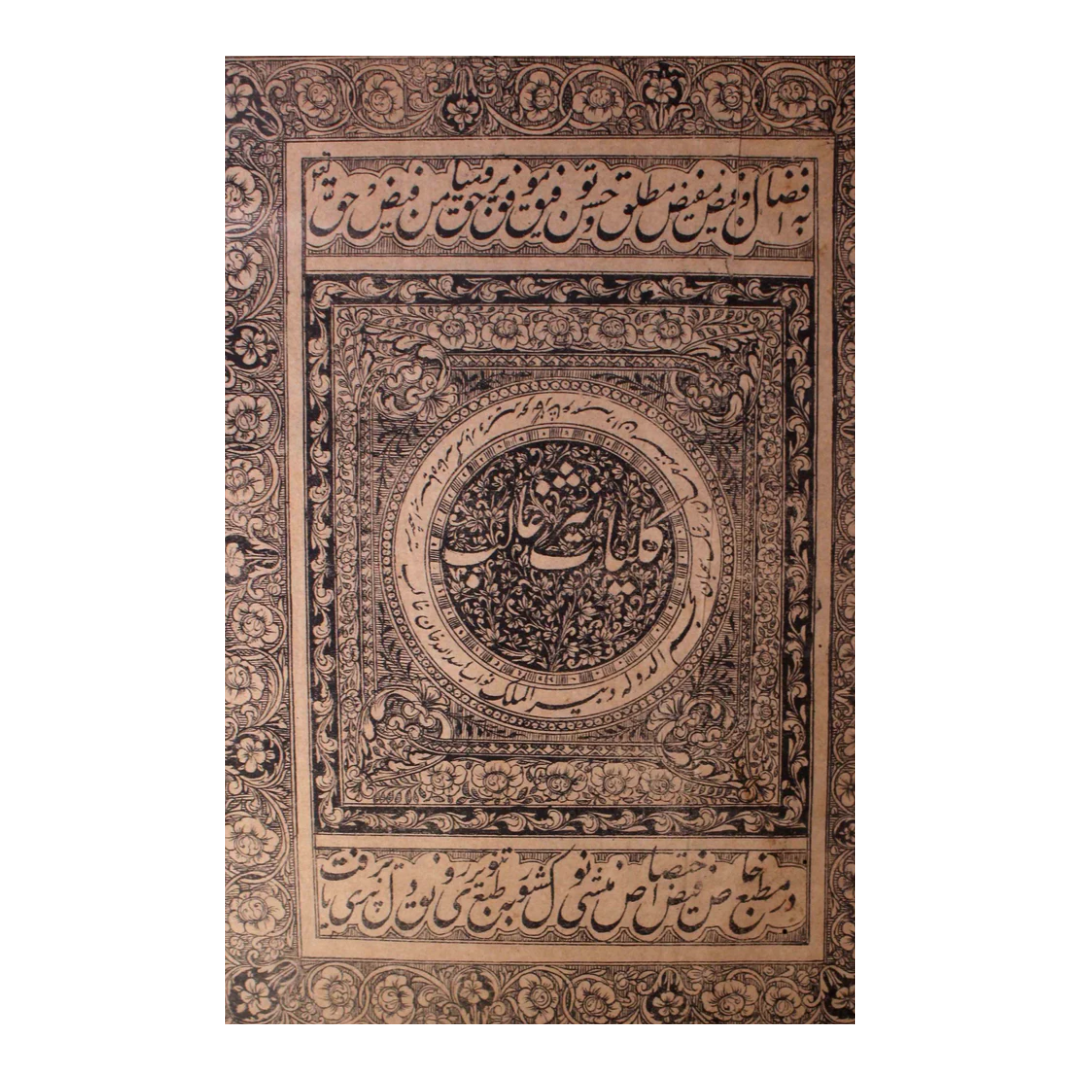
Description
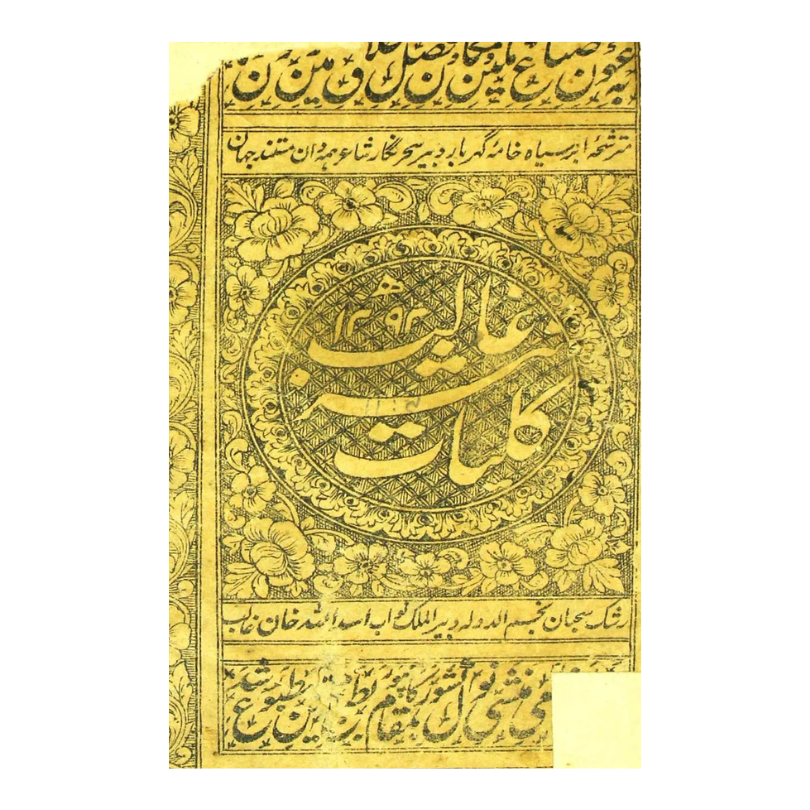
Kulliyat-e-Nasr-e-Ghalib is a collection of Persian prose and poetry by Mirza Ghalib, which includes his ghazals, masnavis, and letters. This work is important because it showcases his expertise in both Urdu and Persian literature and offers insight into his personal life, including his struggles with poverty and the tragic loss of his children. The collection is divided into different sections, showcasing his mastery in various forms of poetic and prose writing, and is considered a comprehensive representation of his Persian literary output.
Contents
- Poetry: The book contains a wide range of Ghalib’s Persian poetry, including his famous ghazals, masnavis, poems, and quatrains.
- Prose: It also includes a selection of his Persian prose writings, which are significant for their unique style and rich content.
- Correspondence: The book may contain some of his correspondence, as Ghalib was also known for his extensive and influential letters written in a personal and intimate style.
Significance
- Bilingual mastery: The collection highlights Ghalib’s command over both Urdu and Persian, solidifying his position as a prominent figure in both languages.
- Personal reflection: The works provide a glimpse into his personal life, including his financial struggles, domestic hardships, and his philosophical and spiritual reflections on life, death, and existence.
- Literary innovation: Kulliyat-e-Nasr-e-Ghalib demonstrates his innovative approach to poetic and prose writing, breaking from traditional styles to create a more modern and intimate form of expression.
Structure and compilation
- The collection is divided into different volumes, often compiled from various sources and later additions to ensure a comprehensive representation of his work over time.
- A key part of the compilation is the inclusion of his complete Persian works, which were published over time and collected into a single, comprehensive collection.
Reception and influence
- Ghalib’s works, including his Persian prose, have had a profound influence on generations of writers and readers.
- His letters, in particular, are considered a high point of Urdu prose for their wit and charm and have been translated and studied extensively.
Reviews
There are no reviews yet.